UT Austin
Dataset Artifacts on
emrQA-msquad

Fine-tuning ELECTRA with adaptive loss weighting and filtering to reduce
artifact-driven errors in clinical question answering, where a model that learns the
dataset's quirks instead of the medicine is worse than no model.
PyTorch · Transformers · Clinical AI · EHR

A browser-based AI drug discovery workbench. Type in a disease and the app finds
the protein target, renders its 3D structure, locates binding pockets and designs a
candidate drug. All of it runs client-side, with no server doing the work.
TypeScript · Anthropic API · 3D rendering

I took a rule-based recommender and gave it an agent loop (plan, act, check,
respond), so it accepts free-text requests, retrieves candidates by structured,
semantic or hybrid search, then explains its picks. The final ranking stays
deterministic on purpose, so results stay reproducible.
Python · Gemini API · Streamlit · Claude Code · pytest

A backend service for insurance claims adjusters. It ingests claim records,
normalizes them, validates against domain rules, aggregates per-policy statistics,
and writes plain-language summaries with an LLM. Tests are hermetic, with
deterministic mocks standing in for the model.
Python · Flask · Vertex AI · pytest

A drop-in front-end for the claude CLI, written in Rust. It spawns the
CLI in a PTY, assigns a fresh session id, forwards your flags verbatim, then tails
the session transcript and prints just the assistant's reply, so you can drive it
programmatically.
Rust · PTY · JSONL transcripts
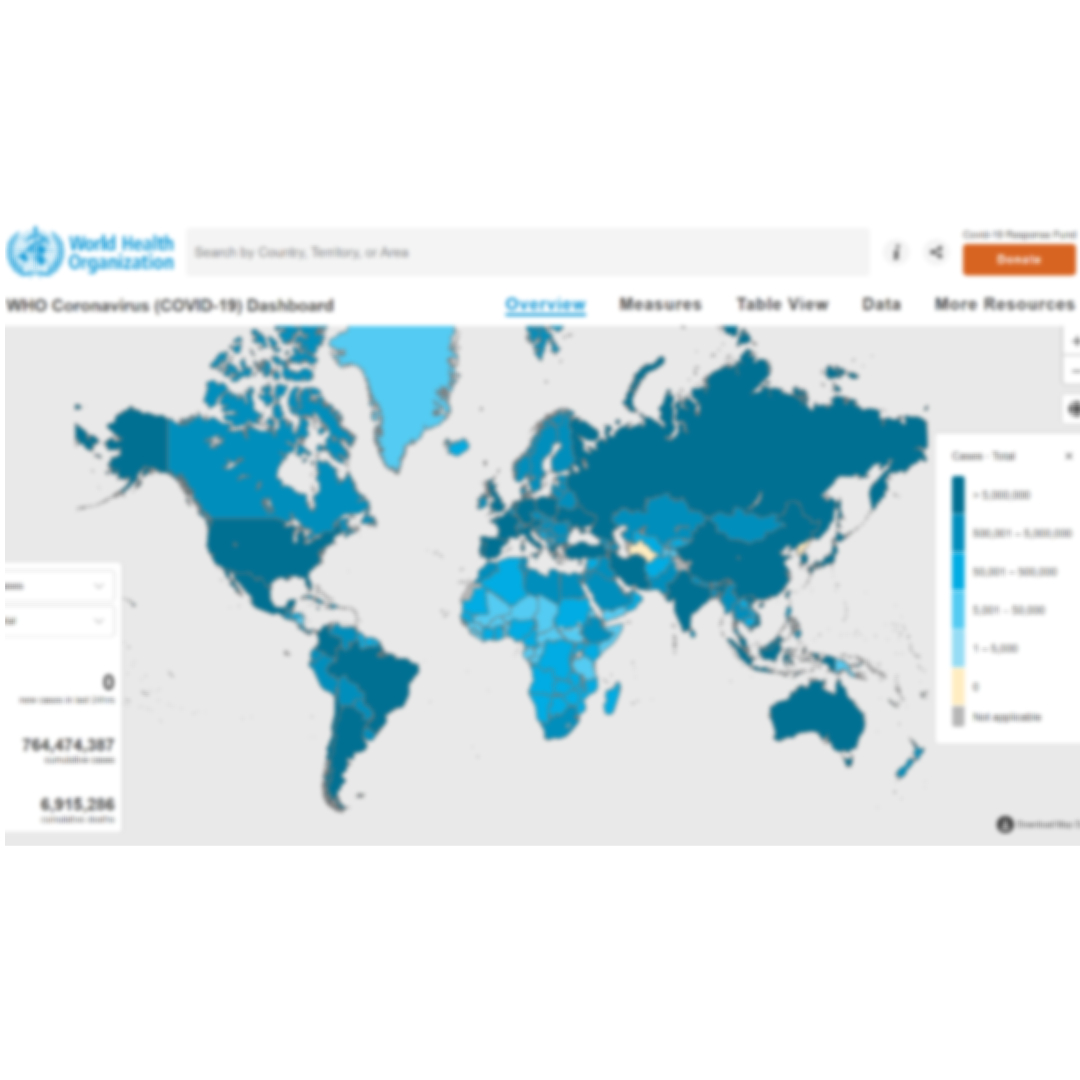
Where I started: an exploratory analysis of global Covid-19 case data through
March 2023, written in SQL and built into an interactive Tableau dashboard.
SQL · Tableau